Best Time to Visit Kauai (2026-2027)
Month-by-month look at Kauai sea conditions, whale season, rain patterns, and crowds, with honest notes on when boats and snorkeling are at their best, updated for 2026-2027.
 Written with Kainoa Kealoha, Kauai tour specialist and island experience guide
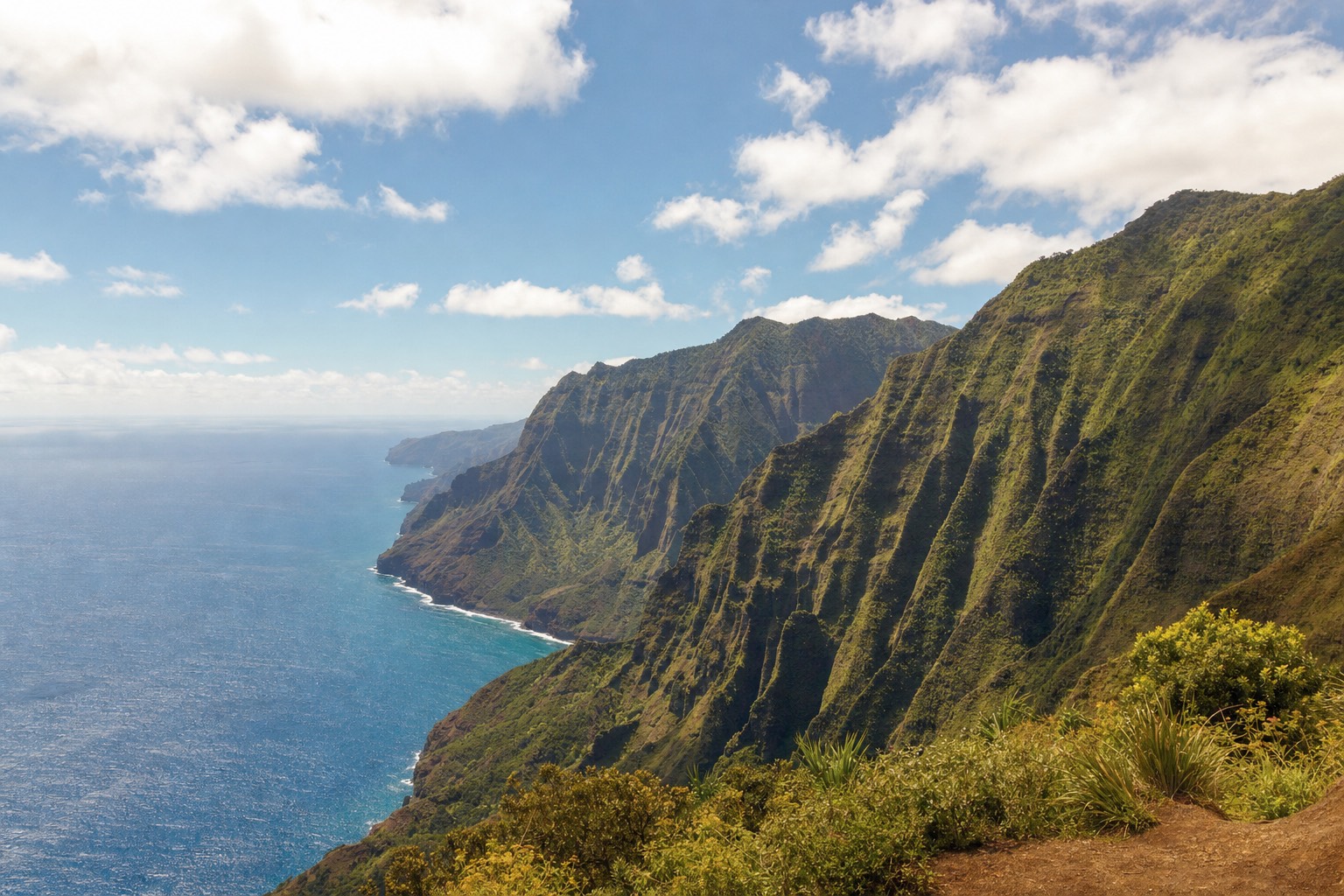
In February, the surf at Hanalei Bay can stack higher than the lifeguard tower while Po'ipu, on the far side of the island, sits flat and sunny. That single picture explains most of Kauai's calendar. The island does not really have a bad month. It has sides, swells, and a whale schedule, and once you know those three things the "when should we go" question mostly answers itself.
What month is the best time to visit Kauai?
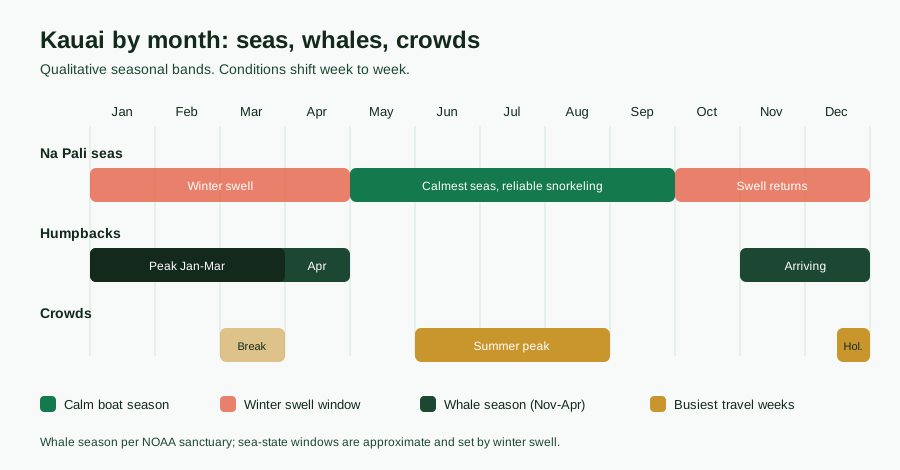
April, May, September, and early October hit the best overall balance: settling seas, thinner crowds, and prices off their holiday peaks. May through September is prime for calm Na Pali water and snorkeling. November through April is whale season, peaking January through March. Pick the month that matches your main activity, not a generic ideal.
The shoulder months win on averages, but averages are not why people fly here. If your trip is built around a boat day, summer is your season. If your kid has never seen a whale breach, a February trip beats a "perfect" May one. Here is the whole year at a glance, kept qualitative on purpose because conditions shift week to week.
| Month | Na Pali sea state | Whales | Crowds | Best for |
|---|---|---|---|---|
| January | Winter swell, departures shift south | Peak season | Busy start, then calmer | Whale sightings, full waterfalls |
| February | Winter swell continues | Peak season | Moderate | Whales, green landscapes |
| March | Swell easing some weeks | Peak tapering | Spring-break bump | Whales plus improving seas |
| April | Transition toward calm | Last reliable sightings | Shoulder lull | Balanced everything |
| May | Calm season begins | Stragglers early on | Quiet before summer | Snorkeling, boat days |
| June | Calm, settled seas | Off season | Summer ramp-up | Snorkeling, Hanalei departures |
| July | Calmest stretch | Off season | Peak family season | Boat tours, kayaking |
| August | Calm, warm water | Off season | Peak, easing late | Snorkeling, beach days |
| September | Still calm | Off season | Quietest month | Boats without the crowds |
| October | Swell can return | Off season | Quiet | Shoulder value, canyon hikes |
| November | Winter pattern building | First arrivals | Quiet until Thanksgiving | Early whales, low crowds |
| December | Winter swell | Building fast | Holiday-week peak | Whales, festive resorts |
Trip length matters as much as month, and the two decisions interact; a short winter trip has less slack for a cancelled boat than a week-long one, something we map out day by day in our guide to how many days you need in Kauai.
When should you not go to Kauai?
There is no month you should flat-out avoid. The honest cautions are narrower: holiday weeks around Christmas and New Year bring the year's biggest crowds and prices, winter turns north shore surf dangerous for swimmers, and hurricane season officially runs June through November, though it rarely rearranges a Kauai trip.
The late-December squeeze is real. Flights, rooms, and rental cars all peak together, and popular departures sell out earlier than usual. If those weeks are your only window, book everything further ahead than feels natural and you will still have a great trip.
Winter's second caution is the water, not the weather. North shore breaks that look inviting in July become expert-only walls from roughly October through April, and rip currents and sneaker waves do not announce themselves. Stick to lifeguarded beaches, treat the winter north shore as a spectator sport, and swim on the south side instead. The swell also moves Na Pali boats to the south-west harbors and makes snorkel stops a captain's call, a trade-off we unpack in our guide to whether the Na Pali boat tour is worth it.
As for hurricane season, June through November is the official Central Pacific window, and that is worth knowing rather than worrying about. Storms affecting Kauai are uncommon, forecasts give days of notice, and summer remains the island's most popular season regardless.
What is the rainiest month in Kauai?
Winter months are the wettest across the island, but where you stay matters more than which month you pick. The north and east coasts catch far more rain than the south and west, and the interior around Mount Wai'ale'ale, among the wettest places on Earth, feeds the waterfalls year-round.
Kauai's rain is geographic before it is seasonal. Trade winds push moisture into the mountains, the peaks wring it out, and the leeward coasts stay dry while Hanalei gets rinsed. Most showers on the populated coasts pass in minutes. Nobody should cancel a trip over the word "rainy" here; they should just pick their coast with open eyes, using an overview like the state's official Kauai travel page as a starting map.
| Area | Typical pattern | Winter | Summer |
|---|---|---|---|
| North shore (Hanalei, Princeville) | Lush, frequent passing showers | Wettest coast, big surf | Greener and calmer |
| East side (Kapa'a, Lihue) | Brief trade-wind showers | Wet spells between sun | Breezy, quick-drying |
| South shore (Po'ipu) | Driest resort coast | Mostly sunny between fronts | Reliably dry |
| West side (Waimea, Port Allen) | Semi-arid, sunniest | Best winter sun bet | Hot and dry |
| Interior (Wai'ale'ale) | Among Earth's wettest spots | Cloud-wrapped | Cloud builds by late morning |
What months are best for boat tours, whales, and snorkeling?
May through September brings the calmest seas on the Na Pali side, the most reliable snorkel stops, and seasonal Hanalei departures. Winter swells from roughly October through April shift boats to Port Allen and Kikiaola and make snorkeling conditional. Humpback whales hold Hawaiian waters November through April, peaking January through March.
Boats run year-round from the south-west harbors, so there is no month without a Na Pali option. What changes is the flavor of the day. Summer gives you glassy water, a full snorkel stop, and the chance of a Hanalei departure that reaches the cliffs fast. Winter gives you bigger drama and whales alongside the boat; the federal sanctuary marks its humpback season from December 15 to May 15, with the details on the NOAA sanctuary site. If the whales themselves are the draw, our Kauai whale watching guide covers how sightings work from the tour boats.
| Window | Sea state | Snorkel odds | Whale odds |
|---|---|---|---|
| May to September | Calmest of the year | Best, stops run most days | None; whales are not present |
| October to November | Building winter swell | Conditional, captain's call | Building toward the season |
| December to March | Winter swell peak | Least certain | Peak, December 15 to May 15 sanctuary season |
| April | Settling toward summer | Improving | Tapering off before the May 15 close |
For most travelers the answer is one good catamaran day in whatever season they visit. The one we point readers to first on our Na Pali boat tours page is the deluxe Lucky Lady cruise out of Port Allen, holding 4.7 across 1,613 Viator reviews, about five and a half hours with breakfast treats, a deli lunch, and an open bar included. Once your dates are set, book the Check live availability & prices on Viator and let the captain worry about the swell.
Should hurricane season change your Kauai travel dates?
Central Pacific hurricane season runs officially June 1 through November 30, per NOAA, and it overlaps most of Kauai's summer high season. Actual storm impact on the island is rare in any given year. The sane response is travel insurance and flexible dates, not steering clear of six months of good weather.
"Hurricane season" sounds like a warning label, and some travelers read it that way and start moving their whole trip toward February. That is overcorrecting. The June-through-November window describes when the ingredients for a Central Pacific storm can come together, not a promise that one will find Kauai. Most years the season passes with the island untouched, and summer keeps its reputation as the calmest water and busiest beaches of the year for reasons that have nothing to do with storms. Compare that to hurricane-prone parts of the Atlantic or Gulf coasts, where entire regional economies plan around a near-annual direct hit, and the Central Pacific picture looks calmer still; the same tropical machinery exists here, it just rarely aims itself at a small island chain in the middle of the ocean.
The window is still real, and it deserves a plan rather than a shrug. If a system does organize and track toward the islands, the National Weather Service and the Central Pacific Hurricane Center issue advisories with real lead time, not a surprise landfall the next morning. The practical move is boring on purpose: buy travel insurance that covers weather-related cancellations, favor refundable rates when the price gap is small, and check the forecast a few days out instead of months out. The people who actually get burned tend to share one habit rather than bad luck: they locked in nonrefundable flights and a nonrefundable rental car months ahead, then had no room to move when a late-season forecast turned their departure week uncertain. That is a booking problem, not a calendar problem, and it fixes the same way whether the trip lands in June or November. Read the cancellation terms on flights and any pre-paid tours before you buy, keep at least one flexible piece in the itinerary if you are traveling deep in the season, and treat travel insurance as part of the trip cost rather than an optional add-on to skip. Kauai tour operators deal with ordinary weather far more often than hurricanes, so most already carry clear reschedule policies for wind and surf; asking about them at booking costs nothing and settles the nerves fast.
| Month cluster | Hurricane season status | What it actually means for your trip |
|---|---|---|
| December-May | Outside the official window | No hurricane exposure at all; any boat disruption in this stretch is winter swell, a separate and more common issue roughly October through April |
| June-August | Early season, also peak family travel | Most years see no storm come near Kauai; this remains the busiest, priciest stretch for reasons unrelated to hurricanes |
| September-November | Statistically the most active stretch of the season | Still a low-probability event for any single island; keep insurance current and glance at NOAA advisories if traveling during these weeks |
| Any month, if a system does form | Applies only inside the official window above | Advance notice measured in days, not hours; the standard response is monitoring, not automatic evacuation or cancellation |
Nothing on that table says stay home. It says the risk sits above zero for part of the year, and pretending otherwise is its own kind of bad planning. Buy the insurance, watch the week-out forecast if you are flying in September, and otherwise book the trip you actually want. If you are the sort of traveler who wants a number before boarding a flight, the closest honest one is qualitative rather than statistical: island residents and longtime visitors alike will tell you most of them have gone through entire seasons, even entire years of seasons, without a storm coming close enough to change a single day of a vacation. That is not a guarantee. It is a pattern worth knowing before you cancel a September trip out of caution alone, and it is exactly the kind of pattern that gets lost when a single scary headline about "hurricane season" runs without the context of how the season actually plays out here, year after year.
What does Kainoa tell visitors about timing a trip around the tours, not just the weather?
Kainoa Kealoha, who has planned Kauai itineraries for visitors since 2016, tells people to stop hunting for one perfect month and start ranking what they most want to do. Whale season, calm snorkeling, and dry weather rarely line up on the same week, so the trip should chase whichever one matters most and treat the rest as a bonus.
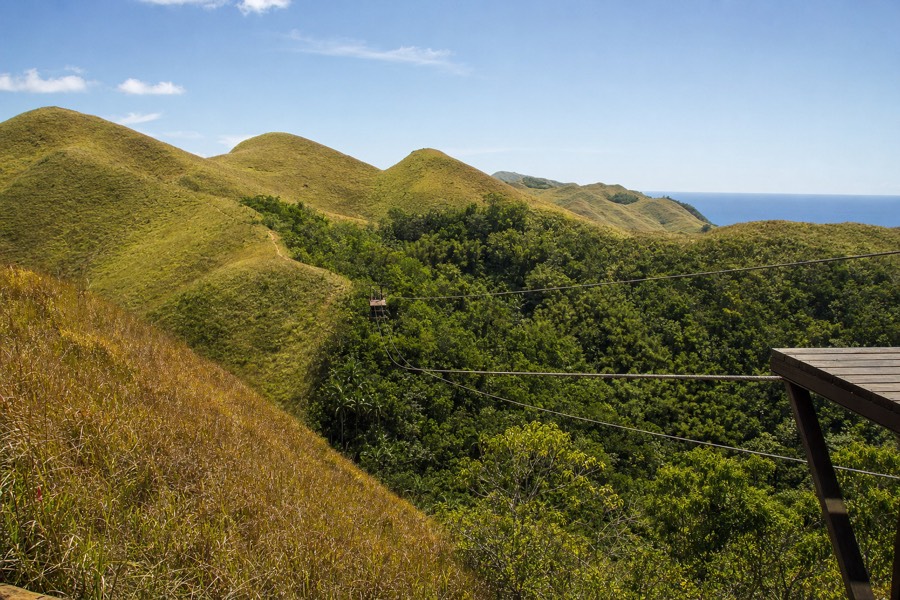
The question he hears most is some version of "just tell me the best month," and the honest answer disappoints people looking for a single clean date. Whale watchers want January through March, when sightings peak but the seas run their roughest and a Na Pali snorkel stop turns into a maybe. Snorkelers want June through August, when the water goes glassy and the whales have already moved on. Zipline riders barely have a bad month at all, since the Koloa run sits on the drier south side, where the rainiest-month table earlier on this page already shows the calendar staying kinder than the north shore. Families juggling a toddler's nap schedule and grandparents who want warm water tend to ask a slightly different question, and his answer there is the same principle applied twice: figure out whose priority wins the tiebreaker before you look at a single flight price. Nobody is wrong to want all three headline experiences. Nobody gets all three in the same trip.
His actual advice is to rank it, not average it. If watching a whale breach matters more than anything else, book winter and treat calm snorkeling as a bonus if the captain finds a window. If the trip centers on kids in the water, come in summer and let the whales be next time's reason to return. Honeymooners chasing a quiet, uncrowded island with dependable weather tend to land best in September, when the boats are calm, the summer families have gone home, and the shoulder-season quiet described earlier on this page is at its deepest. The shoulder months, April and the September-into-early-October stretch flagged earlier on this page, trade away both extremes for a week that rarely disappoints and rarely wows either, which is its own kind of honest deal, and Kainoa says most repeat visitors eventually land there once the first trip has scratched the whale-or-snorkel itch. There is a second layer to the timing question that has nothing to do with the ocean at all: how the rest of the itinerary bends around the boat day. A whale-season trip built for January means planning the Na Pali morning with a mental note that the captain could shift the route or shorten the snorkel stop, and leaving enough slack elsewhere in the week that a rougher-than-expected day at sea does not sour the whole trip. A summer trip built for calm water can be booked tighter, since cancellations are rarer and conditions are more predictable day to day. Kainoa's shorthand, repeated to almost every group that calls before booking, is simple: decide the one thing the trip is not allowed to miss, buy that first, and let everything else, including the exact week, arrange itself around it.
| What matters most to you | Best window | What you give up |
|---|---|---|
| Seeing a whale | January-March | Rougher seas, snorkel stops become conditional |
| Calm, reliable snorkeling | June-August | No whales, the busiest beaches of the year |
| Dry weather almost everywhere you go | June-September, especially the south side | Warmest and driest also means most crowded |
| Thin crowds | September or early November | More week-to-week weather variability |
| No extreme in either direction | April or late September into early October | Likely neither peak whales nor the calmest possible water |
None of these windows are wrong, and Kainoa's real complaint is not with any specific month, it is with travelers who try to build a checklist trip instead of a chosen one. A visitor who wants a breach photo, a glassy snorkel stop, and a bone-dry week all in the same seven days is not planning around Kauai's calendar, they are planning around a calendar that does not exist anywhere in the Pacific. Once a group actually names the one thing they would be disappointed to miss, the month usually picks itself, and the rest of the trip stops feeling like a compromise and starts feeling like a plan. He also points out that a second trip changes the math entirely: return visitors who already caught the whales in January often deliberately book their next Kauai week in July or August, precisely because they know what they are trading and are choosing the other side of the calendar on purpose rather than by accident.
How does the season change the other Kauai tours?
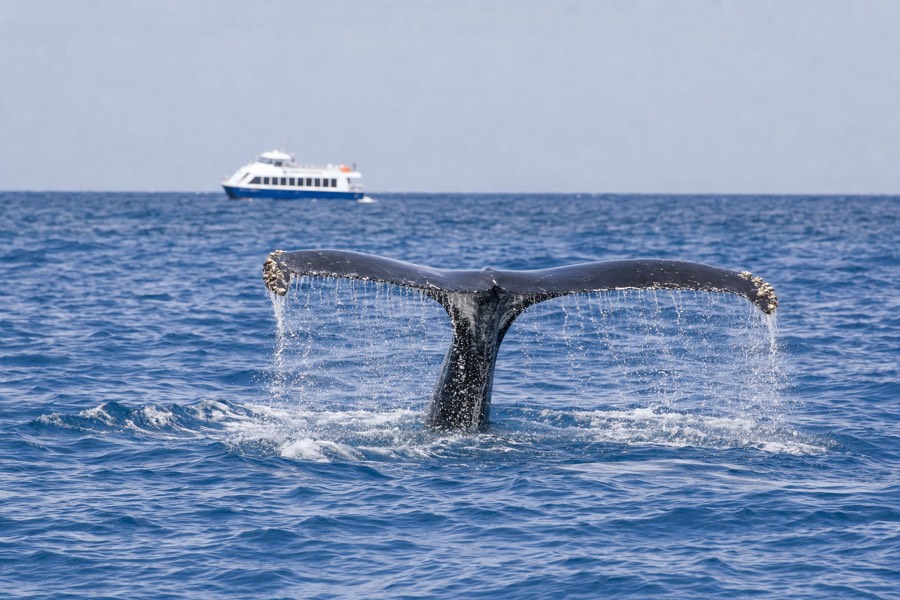
Boats feel the seasons most. Helicopters, Waimea Canyon trips, kayaking, luaus, and ATV rides run year-round, with smaller seasonal wrinkles: canyon overlooks cloud over by late morning in any month, heavy rain raises flash-flood risk on the Wailua trail, and winter waterfalls simply carry more water.
A helicopter tour is the least seasonal big-ticket item on the island; flights operate all year and reschedule around weather cells rather than seasons. Waimea Canyon rewards early starts every month of the year, since the Kalalau and Pu'u o Kila overlooks that stare into the Na Pali valleys tend to fill with cloud late morning, a rhythm the state notes for Koke'e State Park. On the Wailua River kayak, guides watch upstream rain closely because the Secret Falls trail crosses streams that rise fast. A luau is an evening event in any season, and the show goes on.
| Activity | Winter (roughly Oct-Apr) | Summer (May-Sep) | Season note |
|---|---|---|---|
| Na Pali boat tour | South-west departures, snorkel conditional, whales | Calmest seas, snorkel reliable, Hanalei boats | Most season-sensitive tour |
| Helicopter tour | Fuller waterfalls after rain | Clear mornings common | Flies year-round |
| Waimea Canyon tour | Crisp views between fronts | Hot, dry lookouts | Go early; cloud builds late morning |
| Wailua kayak | Flash-flood awareness after rain | Warm, settled paddling | River runs year-round |
| Luau | Runs nightly | Runs nightly | Evening event, low weather risk |
| Kipu Ranch ATV | Muddier ranch roads | Dusty and dry | Dress for the conditions |
Come in May for glassy snorkeling, February for whales, September for the island nearly to yourself, or December for the splurge. Every one of those is a correct answer. Decide what the trip is about, give it enough days to breathe, and Kauai will meet you whenever you land.