What I Wish I Knew Before Visiting Kauai
The honest pre-trip list for Kauai: one road and real drive times, winter boat changes, Ha'ena reservations, the sunscreen law, and what to book first.
 By Kainoa Kealoha, Kauai tour specialist and island experience guide
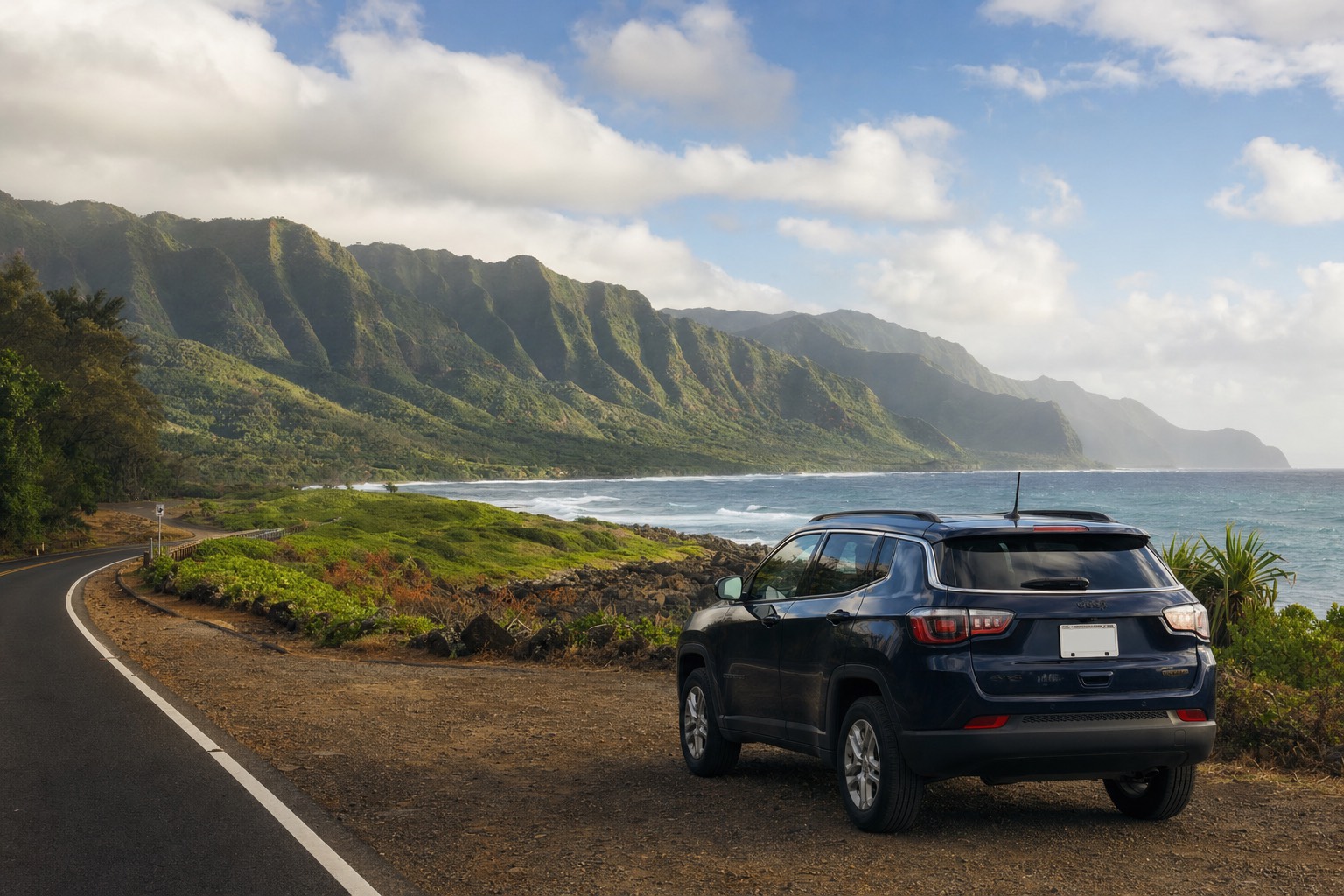
The first thing Kauai teaches you happens in the rental car, usually within an hour of landing. You punch a beach into the map, the phone says 38 minutes, and you assume it is wrong because the island looks tiny. The phone is right. There is one coastal road, it does not go all the way around, and everything you have planned lives somewhere along it. Travelers trade the same short list of hard-won lessons on every flight home. This is that list, written down before your trip instead of after it.
Why can't you drive around Kauai?
Kauai has one coastal road and no route through the middle of the island. The highway dead-ends at Ke'e Beach in the north and out past Polihale in the west, and Route 550 up Waimea Canyon dead-ends at Pu'u o Kila. Every plan is an out-and-back, so drive time shapes the whole trip.
Roughly 70 percent of the island cannot be reached by road at all, which is why the interior and the Na Pali cliffs are boat and helicopter country. The practical consequence is that where you sleep decides what is easy. Most Na Pali boats leave from Port Allen on the south-west side, and the check-in times are early. Here is what that drive looks like from the usual bases:
| Where you're staying | Drive to Port Allen (boat check-in) | What that means at 6:30 am |
|---|---|---|
| Po'ipu | ~20 minutes | Easy morning, no alarm drama |
| Lihue / Kapa'a | ~40 minutes | Manageable, leave a buffer |
| Princeville / Hanalei | ~1 hour 20 minutes | A genuinely early start, plan for it |
If you have not picked a base yet, the guide on which side of Kauai to stay walks through the trade-offs. The short version: nowhere is wrong, but the north shore pays for its beauty in pre-dawn drives on boat day.
How does winter change the boat tours?
From roughly October through April, north Pacific swells push Na Pali departures to the southern harbors and turn snorkeling into a conditional stop that captains call on the day. May through September is the calm season. The boats still run in winter, but the trip changes shape.
This is the single most misunderstood thing about booking Kauai. The Na Pali Coast runs about 17 miles along the island's north-west face, exposed to whatever the winter ocean sends. Summer departures sometimes leave from Hanalei on the north shore; in winter that window closes and everything consolidates at Port Allen and Kikiaola. Snorkel stops become a judgment call, not a promise, and good operators say so plainly.
Winter buys you something in exchange. Humpback whales are in Hawaiian waters from November through April, peaking January to March, and the NOAA Hawaiian Islands Humpback Whale Sanctuary marks its official season from December 15 to May 15. A winter raft ride that skips the snorkel stop often turns into an unplanned whale watch instead. If your dates are flexible, the best time to visit Kauai guide breaks the year down month by month, and the seven-day itinerary shows how to sequence tour days around weather days.
Do you need a reservation just to visit Ke'e Beach?
Yes. Non-residents need an advance reservation for Ha'ena State Park, home of Ke'e Beach and the Kalalau trailhead, booked through gohaena.com. Slots are released 30 days ahead and they sell out. No reservation means being turned away at the end of the road.
This one catches more visitors than anything else on the island. The state capped daily entry to Ha'ena after years of overcrowding, and enforcement is real. Reservations open on gohaena.com exactly 30 days before your date, and the popular slots go quickly, so set a reminder for 30 days out and book the moment your window opens. The official Ha'ena State Park page lays out the current rules.
The Kalalau Trail starts here too. The first two miles to Hanakapi'ai Beach are the day-hike section, with an optional two-mile side trail to Hanakapi'ai Falls. Going past Hanakapi'ai toward Hanakoa or Kalalau requires a separate Napali Coast State Wilderness camping permit, which is its own competitive booking. Day hikers with a valid Ha'ena reservation can do the beach stretch without the wilderness permit.
What should you book first for Kauai?
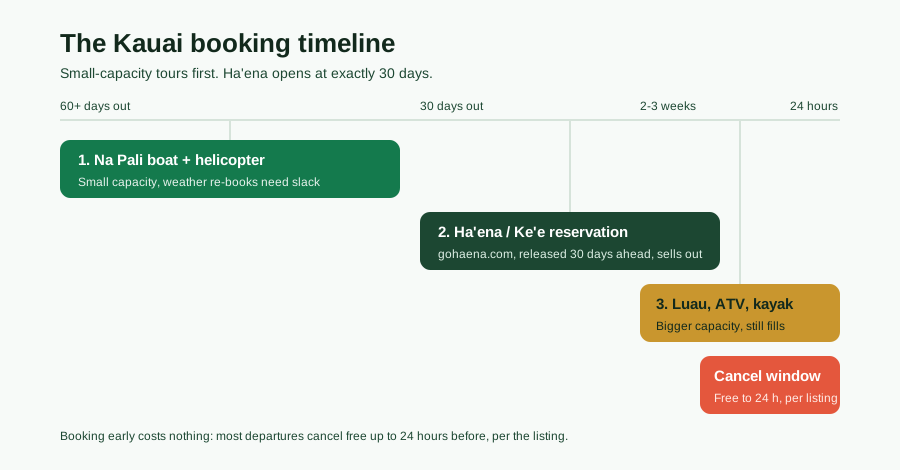
Book in this order: the Na Pali boat and the helicopter first, since capacity is small and weather reshuffles schedules; the Ha'ena reservation at exactly 30 days; then the luau and land tours. Most departures cancel free up to 24 hours before, per the listings, so booking early costs nothing.
The logic is capacity. A catamaran holds a few dozen people and a helicopter holds six, while a luau seats hundreds, so the small-capacity experiences are the ones that vanish from the calendar first. Booking early also gives you re-booking room: if wind cancels your flight on Tuesday, you want open days left to try again.
| Priority | What | When to book | Why |
|---|---|---|---|
| 1 | Na Pali boat tour | As soon as dates are set | Small boats, early sell-outs, weather re-books need slack |
| 2 | Helicopter flight | Same time as the boat | Six seats per aircraft, weight-based assignment |
| 3 | Ha'ena / Ke'e reservation | Exactly 30 days out | Fixed release window on gohaena.com, sells out |
| 4 | Luau, ATV, kayak | 2 to 3 weeks out | Bigger capacity, still fills in high season |
For the boat itself, the one most first-timers land on is the deluxe snorkel cruise from Port Allen, rated 4.7 across 1,613 Viator reviews with a Badge of Excellence, about five and a half hours with breakfast treats, a deli lunch, an open bar, and snorkel gear included. Compare the full lineup on the Na Pali boat tours page, or book the Check live availability & prices on Viator and cross the biggest booking off your list first. Helicopter options live on the helicopter tours page.
What surprises people once they actually arrive?
Kauai runs early. Restaurants and small towns wind down not long after sunset, the best light and emptiest trails belong to the first hours of the day, and the state sunscreen law means the bottle in your bag may not be legal to buy here. The island rewards people who reset their clock.
The early rhythm is the one nobody warns you about. Plan big dinners on the early side, and treat sunrise as an activity rather than a hardship. The sunscreen rule is concrete: Hawaii's Act 104 banned the sale of sunscreens containing oxybenzone or octinoxate starting January 1, 2021, so buy mineral, reef-safe sunscreen and skip the argument at the register.
| What people expect | What's actually true |
|---|---|
| "We'll loop the island in a day" | One road, no loop; every trip is out-and-back |
| "Snorkeling is part of every boat trip" | Conditional in winter; captains decide on the day |
| "We'll wing the famous beach" | Ke'e requires a gohaena.com reservation, 30 days out |
| "Nightlife after dinner" | Most of the island is quiet by mid-evening |
| "Any sunscreen works" | Act 104: oxybenzone and octinoxate sunscreens not sold here |
| "State parks are free" | Waimea Canyon and Koke'e charge non-residents $5 per person plus $10 parking, card only |
Is Kauai doable on a normal budget?
Yes, if you spend where it counts. The expensive pieces are the boat and the helicopter; nearly everything else that makes Kauai special, the beaches, the canyon lookouts, the trails, costs a state-park fee or nothing. Book the one or two paid experiences that matter most and let the island do the rest free.
The pattern that works: one splurge on the water or in the air, groceries for breakfasts, plate lunches instead of resort dinners most nights, and full use of the free coastline. The Kauai on a budget post breaks the math down properly, and the official Kauai visitor pages are a good sanity check on seasonal events that cost nothing at all.
None of this is meant to make the island sound complicated. It is one road, a reservation website, a sunscreen aisle, and an early alarm on boat day. Get those four things right before you land and Kauai stops being logistics and turns back into the place you came for: green cliffs, warm water, and more daylight than plans to fill it.